



Cleaning protocols and staff training are critical in healthcare environments, but infection control begins long before employees enter the picture. It starts with choosing the right materials for patient spaces. Those materials can either reduce risk or quietly contribute to healthcare-associated infections, compliance failures and liability over time.
Bathrooms and showers are among the most challenging spaces to keep hygienic, so material choices for those areas are particularly important. Solid surface shower systems offer a material-driven approach to infection prevention that reduces cleaning complexity, limits microbial harborage and supports long-term healthcare compliance.
Infection Risks of Traditional Shower Materials
Showers are exposed to constant moisture, heat, heavy use and aggressive cleaning, conditions that actively work against infection control if surfaces are not properly designed. Many traditional shower materials were not engineered to perform under these demands. Over time, their inherent weaknesses can undermine even the most rigorous cleaning protocols.
Tile and Grout Systems
Tile is often perceived as durable, but grout lines introduce significant infection control challenges. Grout is inherently porous, allowing moisture, bacteria and cleaning residue to penetrate below the surface. As grout degrades, cracks and voids form, creating ideal conditions for microbial growth and biofilm development.
Even with frequent cleaning, grout lines remain difficult to fully disinfect, especially once wear is visible.
FRP and Laminate Panels
Fiberglass reinforced plastic and laminate systems rely heavily on seams, fasteners and adhesives. Over time, these connection points can loosen or degrade, allowing moisture intrusion behind the panels. Surface wear, scratching and delamination further reduce cleanability and increase the risk of contamination.
Acrylic and Coated Systems
Acrylic and coated shower systems may start out smooth, but repeated exposure to hospital-grade disinfectants can cause surface breakdown. Scratches and worn coatings create micro-textures where bacteria can persist, even after cleaning.
Solid Surface for Better Infection Control
One of the best infection control shower materials is solid surface. Its composition and fabrication allow the solid surface to overcome many of the infection control issues associated with traditional shower systems.
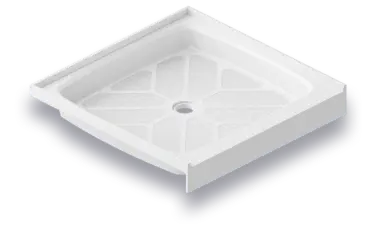
Non-Porous Shower Walls and Bases
Solid surface is inherently non-porous. It does not absorb moisture, bacteria or contaminants, which means pathogens remain on the surface where they can be effectively removed during cleaning. This characteristic significantly reduces the risk of hidden microbial growth beneath the surface.
Seamless Construction
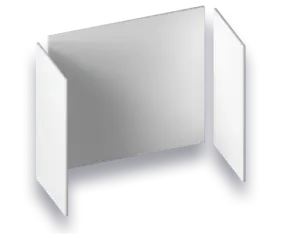
Solid surface shower wall systems can be fabricated with minimal seams and integrated transitions. Thermoformed corners and continuous wall panels eliminate grout lines and reduce the number of joints where moisture and bacteria can collect.
Fewer seams translate directly to fewer contamination points and more reliable infection control outcomes.
Repairable and Renewable Surfaces
Unlike many coated or laminated materials, solid surface can be repaired if scratched or damaged. Surface restoration maintains hygienic performance over time, preventing deterioration that could compromise infection control.
Supporting Effective Cleaning and Disinfection Protocols
Healthcare cleaning protocols are only as effective as the surfaces being cleaned. Solid surface materials support consistent, repeatable cleaning by withstanding frequent exposure to hospital-grade disinfectants without degrading.
Benefits for environmental services teams include:
- Resistance to harsh cleaning chemicals
- Smooth, continuous surfaces that are easy to wipe down
- Reduced detailed work around joints and transitions
- Lower likelihood of missed contamination areas
By simplifying cleaning routines, solid surface systems help reduce variability in outcomes while supporting staff efficiency.
Reducing Risk and Supporting Healthcare Compliance
Infection prevention is closely tied to regulatory compliance and risk reduction. Non-porous shower walls that resist moisture intrusion and microbial growth reduce the likelihood of failures that lead to remediation, inspections or patient safety concerns.
Solid surface shower systems contribute to:
- Greater inspection readiness
- Fewer moisture-related failures behind walls
- Long-term durability that supports facility standards
- Confidence that hygienic performance is maintained over time
Rather than relying on short-term fixes, healthcare facilities benefit from materials that deliver consistent performance over time.
Meridian Solid Surface® Manufactured by Tower Industries
Meridian Solid Surface® is engineered to deliver a durable, non-porous surface that supports infection control objectives while withstanding aggressive cleaning protocols and daily wear.
Precision manufacturing processes help ensure consistent panel thickness, tight tolerances and reliable fit, reducing variability that can lead to moisture intrusion or surface failure over time. By focusing on material integrity and long-term performance, Tower Industries helps healthcare facilities manage infection risk with solid surface shower systems.
A Proactive Approach to Infection Control
Infection prevention begins with decisions made long before a space is occupied or cleaned. In healthcare shower environments, material selection plays a direct role in reducing risk, simplifying maintenance and supporting long-term compliance.
If infection control is a priority for your next project, contact us for a free quote.
Comments