


When specifying materials for commercial shower projects, architects must balance durability, hygiene, aesthetics and maintenance, often under tight timelines and budget constraints.
When material decisions are made too late in the design process, projects can face costly revisions, installation delays or performance issues. Starting with a solid surface approach in commercial shower specifications helps reduce that risk by aligning design intent with proven system performance.
Solid surface is a non-porous material commonly used in commercial shower systems because it resists moisture, reduces maintenance and supports seamless installation. These qualities make it a practical solution for high-use environments where long-term performance is critical.
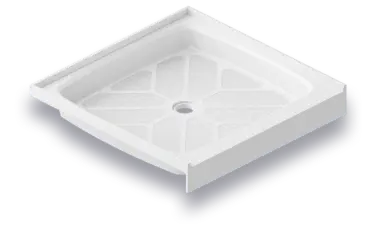
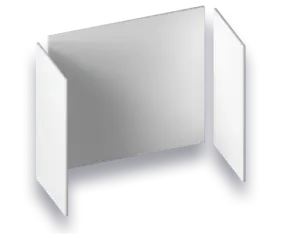
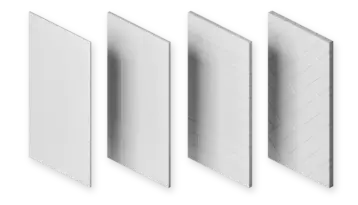
Meridian solid surface Commercial shower systems, manufactured by Tower Industries, build on these advantages with durable construction and design flexibility for solid surface shower bases and walls. This guide outlines how to evaluate, specify and integrate solid surface shower systems to improve outcomes from design through installation.
Key Takeaways
|
Why Commercial Shower Specifications Matter Early in the Design Phase
Early specification decisions influence far more than material selection. They impact installation methods, wall assemblies, labor requirements and lifecycle costs.
When specifications are vague or incomplete, teams often encounter:
-
Misalignment between design intent and installed product
-
Increased coordination challenges during construction
-
Extra unintended expenses related to waterproofing and surface prep
- Unexpected maintenance issues after occupancy
By defining materials and performance expectations early, architects can reduce ambiguity and create a smoother path from design through installation and beyond.
Working with a manufacturer during the specification phase also helps ensure that details such as panel sizing, substrate and waterproofing requirements and integration with adjacent systems are fully considered before construction begins.
What Makes Solid Surface Ideal for Commercial Shower Specifications
Commercial shower environments demand materials that can withstand constant exposure to moisture while maintaining safety and cleanliness. Solid surface materials provide a balance of performance, durability and design flexibility that aligns well with those demands. Specifically, commercial shower systems manufactured by Tower Industries using Meridian Solid Surface® are designed specifically for these types of environments.
Moisture Resistance and Mold Prevention
Water exposure is the defining challenge in any shower application. Materials that absorb moisture or rely heavily on seams and grout lines create opportunities for mold and mildew growth.
Solid surface is non-porous, helping it resist water absorption and prevent mold and mildew growth. This makes it particularly well suited for applications where hygiene is a priority, such as healthcare or shared residential spaces.
Durability in High-Use Environments
From residence halls to healthcare facilities, commercial showers experience frequent use, and solid surface resists impact, scratching and degradation from repeated cleaning while maintaining performance and appearance over time.
Hygiene and Cleanability
Seamless or minimally seamed solid surface shower walls and systems limit areas where bacteria can accumulate. This supports more effective cleaning routines and helps maintain higher sanitation standards in shared environments. Also, by eliminating grout in your project, you’ve eliminated future maintenance and hygiene issues.
Code Compliance and Accessibility
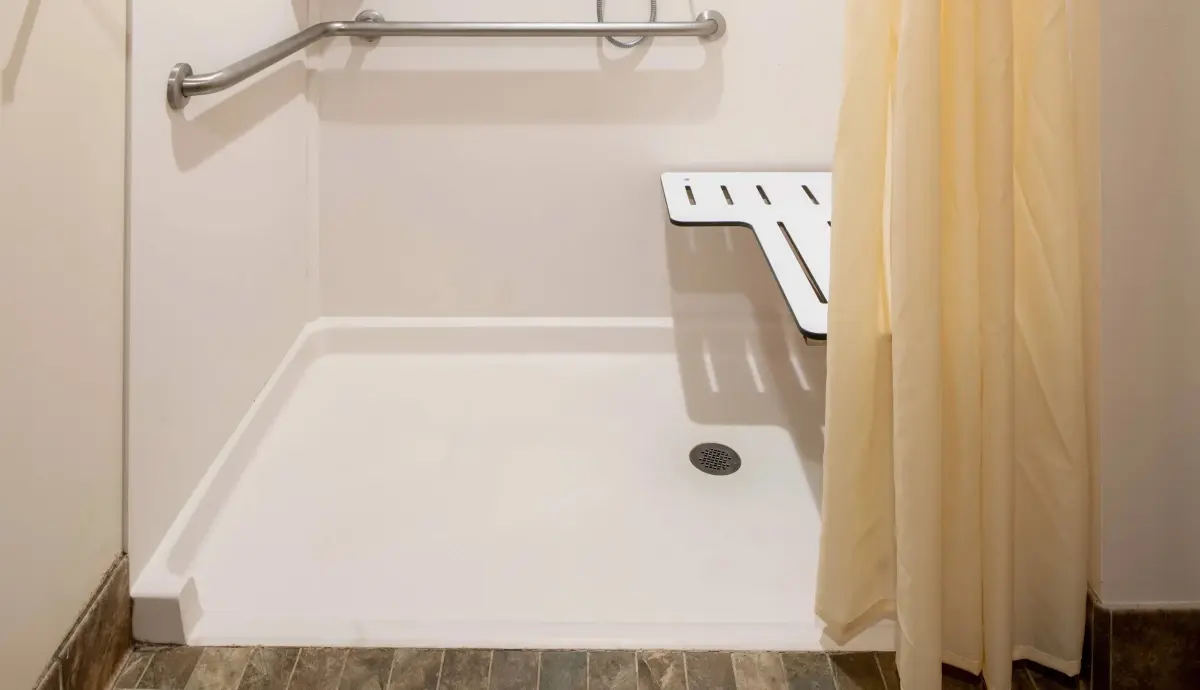
Architectural shower materials must meet applicable building codes and accessibility standards. Solid surface supports ADA-compliant shower design by integrating features such as slip resistance, barrier-free thresholds, and proper coordination with grab bars and seating where required.
Comparing Common Commercial Shower Wall Panels and Materials
Several commercial shower wall panel and material options are commonly used in commercial shower applications, each with its own advantages and limitations.
Tile and Grout Systems |
|
Fiberglass or Acrylic Panels |
|
Solid Surface Materials |
|
When evaluating architectural shower materials and commercial shower systems, it is important to consider not just initial cost, but long-term performance, maintenance requirements and lifecycle value.
Best Practices for Writing a Solid Surface Spec
A well-developed specification helps ensure that the final installation meets both performance and design expectations. The following best practices can improve clarity and reduce risk.
Define Material Standards Clearly
Specify thickness, finish and performance characteristics. Clear material definitions help prevent substitutions that may not meet project requirements.
Specify Fabrication and Installation Requirements
Include details such as seam placement, panel sizing and substrate preparation. These factors directly affect both appearance and performance.
Include Approved Manufacturers
Identifying a qualified manufacturer ensures consistency in material quality and fabrication standards. It also simplifies coordination during construction.
Coordinate with Project Stakeholders
Early collaboration between architects, contractors, fabricators and the manufacturer helps identify potential challenges before they become issues in the field.
Using a structured solid surface spec guide can help standardize these elements across projects and ensure consistency across commercial shower wall panel specifications.
Common Specification Mistakes to Avoid
Even well-planned projects can encounter issues if key details are overlooked. Common mistakes include:
- Failing to account for substrate requirements
-
Overlooking expansion and movement considerations
-
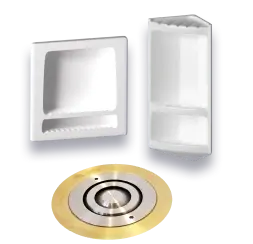
Leaving accessory integration undefined
-
Selecting materials based solely on upfront cost rather than lifecycle value
Avoiding these pitfalls requires careful planning and a clear understanding of how materials will perform over time.
Partnering with the Right Manufacturer Early
Engaging a manufacturer during the specification phase provides valuable support that extends beyond material selection.
Architects benefit from:
- Detailed product specifications and technical guidance
- CAD files and design resources
- Insight into fabrication and installation best practices
- Assistance aligning design goals with budget constraints
Tower Industries works directly with design teams to help ensure that shower systems are properly specified and manufactured to meet the demands of each project.
Early collaboration reduces uncertainty and helps keep projects on track from concept through completion.
Frequently Asked Questions About Commercial Shower Specifications
What is the best material for commercial shower walls?
Solid surface is widely considered one of the best materials for commercial shower wall panels due to its non-porous composition, durability and minimal seams. It helps reduce maintenance compared to tile and grout while supporting long-term hygiene.
Why use solid surface in commercial shower specifications?
Solid surface simplifies specification by combining performance and design flexibility. It resists moisture, supports seamless fabrication and can be customized for a wide range of architectural shower materials applications.
Are solid surface shower systems ADA compliant?
Yes, solid surface systems can be designed to meet ADA requirements. Proper specification should include slip resistance, integration with grab bars and seating and compliance with all applicable accessibility standards.
How do solid surface panels compare to tile in maintenance?
Solid surface panels require less maintenance than tile because they eliminate grout lines. This reduces cleaning time and lowers the risk of mold and mildew growth in commercial environments.
What should be included in a solid surface spec guide?
A solid surface spec guide should define material thickness, finish, fabrication requirements, installation details and approved manufacturers. Clear specifications help ensure consistent performance and reduce project risk.
Specify for Success
Commercial shower specifications require careful consideration of performance, durability and long-term maintenance. By addressing these factors early in the design process, architects can reduce risk and improve project outcomes.
Solid surface materials offer a practical, high-performance solution that meets the demands of modern commercial environments. With the right approach to specification and the support of an experienced manufacturer, it is possible to create shower systems that perform reliably for years to come. The right material and specification approach can make the difference between long-term performance and ongoing maintenance challenges.
Download Specifications & Connect with Our Team
Get the tools and support needed to simplify your next project. Download detailed specifications and connect with the team at Tower Industries to explore solutions tailored to your design.
Comments